
Ho Chi Minh City moves quickly. A morning of traffic, a full day of meetings, heat, walking, screens, and a late dinner can leave little room to notice how the body is feeling. That is one reason people search for lymphatic drainage massage in Ho Chi Minh: they are not always looking for an intense sports treatment. Often, they are looking for a quiet hour, a gentler touch, and a chance to feel settled again.
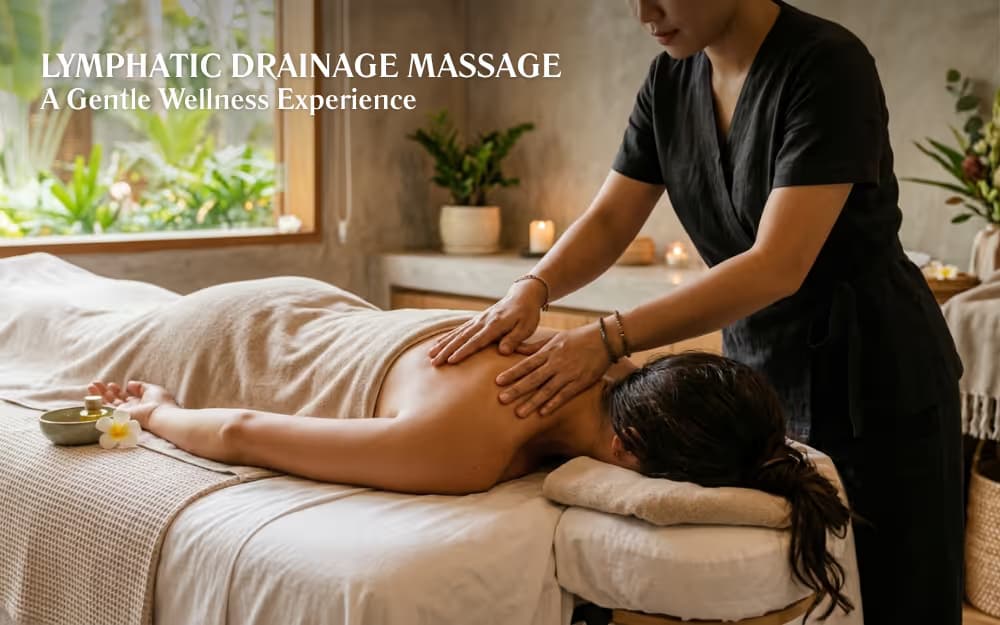
Lymphatic drainage massage is generally associated with light, slow, rhythmic movements rather than deep pressure. The experience is very different from a strong muscle-focused massage. It is designed around a calm pace, a comfortable environment, and careful attention to the client’s feedback. In a city with many massage options, understanding that distinction can help guests choose a session that matches their needs rather than simply booking the first available appointment.
The word lymphatic can sound clinical, but a spa session should still begin with a simple conversation. A therapist may ask about comfort, preferred pressure, areas that feel tired, recent travel, and any health considerations. From there, the treatment should feel measured rather than rushed. Gentle strokes are usually used across the chosen areas, with the therapist checking that the pressure remains pleasant throughout the session.
It is useful to arrive without expecting a dramatic, painful sensation. More pressure is not automatically better. Many guests appreciate this style precisely because it creates a softer form of relaxation. The aim is to leave feeling rested and comfortable, not as though the body has had to endure a demanding treatment. A good practitioner makes room for communication and adjusts the experience when a guest asks for a lighter touch or prefers to avoid a particular area.
A gentle lymphatic drainage massage may appeal to people who have had a busy week, spend long hours at a desk, prefer low-pressure massage, or want a slower wellness ritual. It can also suit travelers who need a moment to decompress after arriving in the city. The setting matters as much as the technique: clean linens, a calm room, enough time to settle in, and a therapist who listens all contribute to the overall experience.
That said, massage is not a substitute for medical assessment or treatment. Anyone with a fever, infection, sudden unexplained swelling, active injury, significant circulatory concerns, or a recent medical procedure should seek appropriate medical advice before booking. Guests who are pregnant or managing an ongoing health condition should also share that information in advance. A responsible spa will welcome those questions and suggest a suitable approach rather than making promises beyond the scope of wellness care.

When comparing spas, look beyond a short menu description. It helps to ask what is included, how long the appointment lasts, whether the therapist can tailor pressure, and whether the treatment is designed as a body massage, a facial service, or a more focused ritual. Clear answers are a useful sign of a thoughtful operation. Reviews can be helpful as well, especially when they mention staff communication, cleanliness, and a relaxed, unhurried atmosphere.
Location is another practical detail. For visitors, a spa close to central District 1 can make a wellness appointment easy to fit between sightseeing, work, or dinner. For local residents, flexible booking and a service menu that supports different needs can make regular self-care easier to maintain. The best choice is not necessarily the longest treatment; it is the one that feels appropriate for your day, energy level, and comfort.

AN’s spa is a Vietnamese traditional spa and skincare destination with three branches in central District 1. Its menu includes manual lymphatic drainage options as well as facial and body treatments, allowing guests to select a service that fits their preferred focus. The spa presents its approach as personalized care, with treatments tailored to individual comfort and wellness goals.
For guests seeking a lymphatic drainage massage Ho Chi Minh experience, the most useful first step is to review the current service menu on an-spa.vn and speak with the team before booking. Explain whether you would like a light full-body experience, a face-focused treatment, or simply a relaxing session after a demanding week. That small conversation helps turn a generic massage booking into a treatment that feels considered, calm, and genuinely restorative.
A few practical questions make the booking process easier. Ask which service best matches the kind of relaxation you want, whether there is a consultation before treatment, and what you should wear or bring. If you have a limited window between work and dinner, ask about the total appointment time rather than just the listed treatment duration. That includes arrival, changing, and a few quiet minutes after the massage. A spa that explains these details clearly respects the guest’s time as well as their comfort.
It is also reasonable to ask about the ambiance. Some guests want a completely silent session; others enjoy brief guidance from the therapist. Some want oil, while others prefer a dry technique or face-focused service. These preferences are personal, and they can change from one visit to the next. Choosing an experience based on honest communication is more useful than relying on a trend-led description alone.
Finally, give yourself a gentle landing after the appointment. Do not plan to rush immediately into a crowded commute if you can avoid it. A glass of water, a short walk, and a calm evening can extend the feeling of ease. In this sense, lymphatic drainage massage is less about a single technique and more about making intentional space for recovery in an otherwise busy routine.